Overview
Don't be baffled by the big name "metatarsalgia" - it is simply inflammation in the ball of your foot. It occurs mostly in the region of the metatarsophalangeal joint. In case you are wondering where the ball of your foot is, it is just the region between your toes and your arch.Experience a sharp pain in the ball of your foot. It could be metatarsalgia caused by sports injuries like running and jumping, overtraining, wearing unfit shoes, foot abnormalities, and other causes. Hence, you need to know about this foot condition. For this reason, this article will discuss everything that needs to be known about metatarsalgia.
Who is more prone to developing metatarsalgia?
Metatarsalgia is not limited to anybody.Anybody can develop this painful condition of the foot—however, the chances of having metatarsalgia vary with people. For instance, athletes and people that spend a long time on their feet are often faced with the challenges of developing metatarsalgia. Also, athletes that wear shoes without good support and shoes with spikes and cleats could develop metatarsalgia.
Also, if you have high arches, you are likewise prone to developing metatarsalgia.
This is because of the extra pressure experienced by the metatarsal and the heel. This is very common for people with high arches. In the same vein, people that have their second toes longer than the bigger toes are also at high risk of developing metatarsalgia.
Other people who are at risk of having this danger include:
- Older people
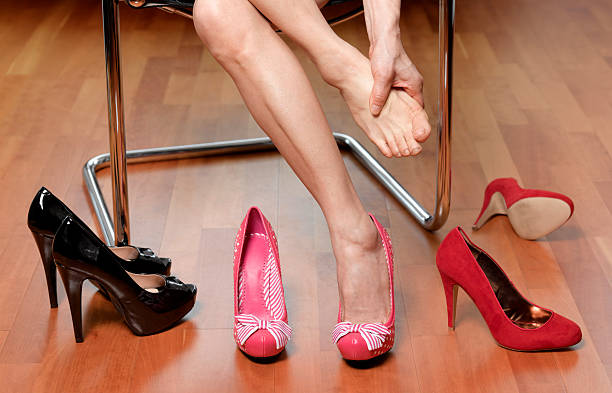
- Ladies who wear high heels
- Individuals wearing unfit shoes
- Individual who have provocative joint pain
- Overweight and stout people
Do you feel pains in your foot?
If you feel any pains in the ball of your foot, you need to check out for these signs and symptoms to be certain you have metatarsalgia.It should also be noted that metatarsalgia is not often associated with swelling of the foot. In most cases, the symptoms appear to occur rapidly or develop over time. It is, therefore, paramount that you check for these signs and symptoms before the condition worsens. Metatarsalgia can progress to what is called hammertoes when left untreated. Below are the most obvious symptoms of metatarsalgia
- You feel pebbles in your shoe when you walk
- There is a sharp, fiery pain in the ball of your shoes
- You have a numb feeling on your toes
- Your agony deteriorates when you stand, walk shoeless, and run
What are the causes of metatarsalgia?
A single variable can cause Metatarsalgia, and also, several things might induce the development of metatarsalgia.Below are some of the causes of metatarsalgia.
- Wearing sick-fitted shoes
Shoes with a narrow toe box or athletic shoes that need support and cushioning likewise can add to the issue.
- Vigorous overtraining
However, any individual who partakes in a high-sway sport is in danger, particularly if your shoes fit ineffectively or are worn.
- Foot disfigurement
- Foot shapes
A second toe is longer than the big toe, making more weight than typical be moved to the second metatarsal head.
- Overweight
- Morton's Neuroma
It occurs when the third and fourth metatarsals are inflamed. The symptoms of this foot condition are similar to the metatarsalgia, leading to metatarsal stress.
- Stress Fractures
How to treat metatarsalgia?
Treatment of metatarsalgia is mainly conservative.Conservative approaches are commonly used, such as remaining off your feet, changing your footwear, and utilizing an orthotic cushion in your shoe to soothe the torment. Also, the treatment relies upon the extent of your pain. Below are some DIY remedies you can do at home
- Resting your foot
- Icing your foot a couple of times each day at least 20 minutes a day
- Elevating your foot after-action
- Slim down if you have to
- Use drugs to help relieve the pain and irritation
Women who wear high heels shoes avoid it, and any intense form of sports should be minimal. You can try out a low intensive form of exercise like swimming.
If you require expert help, do well to see one. An expert can give you a range of motion forms of exercise to help build your toe muscles. A therapist can also help fix orthotics for arch support and could also help correct your stride. Not to scare you up, but you might need surgery if conservative measures aren't working for you.