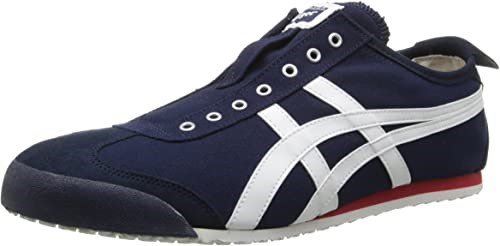
Parkour shoes need to grip concrete, absorb drops, and let you feel the surface beneath your feet with enough sensitivity to judge a landing zone. The ideal shoe is a contradiction: protective enough for 8-foot drops yet flexible enough for precision balance on a rail. No single shoe does everything perfectly, which is why most serious traceurs own at least two pairs for different training scenarios. Here are the best options across the spectrum from minimal to maximal.
Top Picks
| Shoe | Weight | Grip | Best For | Price |
|---|---|---|---|---|
| PUMA Future Rider | 9.2 oz | Excellent | All-around | $80 |
| Nike Free RN 5.0 | 7.5 oz | Good | Flexibility | $100 |
| Feiyue Fe Lo | 6.8 oz | Excellent | Traditional/minimal | $35 |
| Vivobarefoot Primus Lite | 5.9 oz | Good | Barefoot feel | $140 |
| ASICS Gel-Quantum 360 | 12.5 oz | Good | Drop protection | $170 |
| New Balance Minimus Trail | 7.2 oz | Excellent | Outdoor parkour | $110 |
1. PUMA Future Rider - Best All-Around
The Future Rider has become a parkour community favorite through a combination of excellent grip, reasonable cushioning, and a price that allows replacement every few months as outsoles wear through. The rubber outsole grips concrete, brick, and metal surfaces with the confidence needed for wall runs and precision landings. The moderate cushioning absorbs repeated drops without numbing the ground feel needed for balance work.
The slim profile and flexible forefoot allow foot articulation for rail balance and cat leaps where the foot needs to conform to narrow surfaces. At 9.2 ounces, the weight is moderate, not penalizing speed or agility. The retro runner aesthetic means the shoe looks normal for everyday wear between training sessions.
Durability is the weak point. Parkour shreds outsoles faster than any other activity, and the Future Rider rubber wears through in 2-3 months of daily training. At $80, the replacement cycle is manageable, and many traceurs consider shoes a consumable training expense rather than a lasting purchase.
2. Nike Free RN 5.0 - Best Flexibility
The Free RN 5.0 is the most flexible shoe in this roundup, with the deep flex grooves in the sole that allow the foot to bend and flex naturally. For technical movements like precision jumps, tic-tacs, and rail work, the foot articulation is superior to any cushioned shoe. The ground feel through the thin sole provides the proprioceptive feedback needed for exact foot placement.
The flyknit upper wraps the foot securely without restricting movement, and the minimalist construction keeps weight down to 7.5 ounces. The flat outsole profile works well for wall runs and climb-ups where full foot contact with the surface matters. Nike grip on concrete is good, though not as sticky as the PUMA or Feiyue options.
Limited cushioning means high drops punish your joints. The Free is best suited for technical training sessions focused on precision and flow rather than big drop training. Pair it with a more cushioned shoe for sessions that include significant height.
3. Feiyue Fe Lo - Best Traditional Parkour Shoe
The Feiyue has been a staple of parkour since the discipline's French origins, and the simple canvas-and-rubber design still works remarkably well. The thin rubber sole grips concrete surfaces with an almost adhesive quality that thicker modern soles cannot replicate. At 6.8 ounces, nothing feels lighter or more connected to the ground.
The minimal construction forces proper technique. Landing quietly, absorbing impact through movement rather than shoe cushioning, and placing feet precisely are skills that Feiyue shoes develop faster than padded alternatives. Many experienced practitioners train in Feiyue to maintain clean technique and switch to cushioned shoes for big movements.
At $35, the Feiyue is the most affordable quality option. They wear out quickly under parkour use, but the replacement cost is negligible. Zero ankle support and minimal cushioning mean these are for experienced practitioners who understand how to protect their joints through technique rather than relying on shoe construction.
4-6: Additional Picks
Vivobarefoot Primus Lite: The premium barefoot option with a puncture-resistant sole that is only 4mm thin. Maximum ground feel with protection from sharp surfaces. The wide toe box allows natural foot splay for balance. At $140, it is expensive, but the quality construction outlasts the Feiyue by months. Best for committed barefoot-style practitioners. Check Latest Price
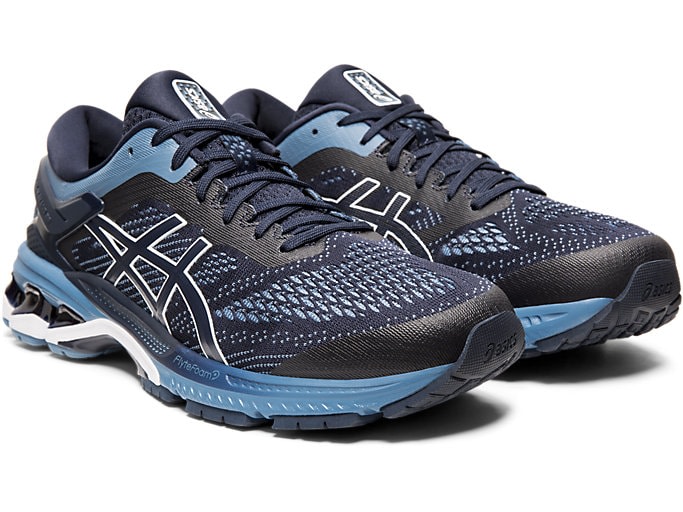
ASICS Gel-Quantum 360: The most cushioned option for practitioners who train big drops and high-impact movements regularly. GEL technology in the heel absorbs landing forces that would punish minimalist shoes. At 12.5 ounces, it is the heaviest option and sacrifices agility for protection. Best as a dedicated big-drop training shoe alongside a lighter precision shoe. $170. Check Latest Price
New Balance Minimus Trail: Vibram outsole grips outdoor surfaces including wet concrete, bark, and rock that indoor-focused shoes struggle with. The 4mm drop and flexible construction provide ground feel while the trail-specific outsole handles surfaces where standard sneaker rubber slides. Perfect for outdoor parkour spots with variable surfaces. $110. Check Latest Price
Choosing the Right Shoe
Training style determines shoe choice. Precision and flow work demands flexibility and ground feel. Big drops and high walls need cushioning and joint protection. Most traceurs benefit from owning a minimal shoe for technique work and a cushioned shoe for impact training. Replace shoes when grip degrades since traction is a safety feature, not just a performance feature.
Final Verdict
The PUMA Future Rider is the best all-around parkour shoe for practitioners at any level. The Feiyue Fe Lo develops better technique through its minimal design. The ASICS Gel-Quantum 360 protects joints during high-impact training. Start with the PUMA if you want one shoe that handles everything adequately, and specialize as your training style develops.